
Most Common Pool and Spa Hygiene Issues in Hotels and How to Solve Them

Explore the top hygiene issues affecting hotel pools and spas, and how smart water care can prevent them. Improve safety, clarity, and guest experience.

Diversey Logo
By: Institutional Cleaning | January 18, 2026 | Reading time: 6 minutes

Why Pool Hygiene Is a Business Imperative 

Hotel pools and spas are no longer optional amenities - they are decisive factors in guest booking decisions and brand reputation. According to industry surveys, 75% of travelers rank pools or hot tubs among the top three most important amenities when booking a hotel stay. Yet, more than half of guests have experienced a pool or spa closure during their visit, often resulting in negative reviews and reduced likelihood of return bookings. 

Poor water quality, strong chemical odors, or unhygienic surroundings can quickly damage a hotel’s brand image. In an era where online reviews shape reputation overnight, the margin for error has disappeared. Hygiene failures don’t just affect comfort - they create compliance risks, operational disruptions, and sustainability challenges.  

This blog explores the most common pool hygiene issues in hotels, why they occur, and how to solve them using modern, automated solutions that protect guest health, enhance satisfaction, and align with sustainability goals. 


Why Pool Hygiene Matters for Guest Satisfaction 

Guests expect hotel pools and spas to feel clean, look clear, and smell fresh - not like a public gym or city pool. A single negative detail, such as cloudy water or a harsh chlorine smell, can dominate their memory and reviews. Hygiene is not just operational - it’s brand-critical.

Key reasons hygiene matters: 

  • Guest perception: Cloudy water or dirty waterlines signal hygiene neglect
  • Health and safety: Poor disinfection can lead to waterborne illnesses like Cryptosporidium, which can survive up to 10 days in standard chlorinated water 
  • Compliance: Hotels must meet local and international hygiene standards 
  • Reputation: Negative reviews spread faster than any marketing campaign 


Common Hotel Pool Hygiene Issues

1. Cloudy Pool Water

Why it happens: Poor filtration, imbalanced pH, or excessive contaminants like sunscreen and body oils. 

Impact: Guests associate cloudy water with poor hygiene and safety risks.

Solution: 

  • Maintain proper pH (7.2–7.6) and chlorine levels*
  • Use automated dosing systems for consistent water chemistry 
  • Regularly clean filters and waterlines to prevent buildup


2. Strong Chlorine Smells

Why it happens: A strong chlorine odor indicates chloramines, formed when chlorine reacts with organic matter, not cleanliness.

Impact: Harsh odors lead to complaints and discomfort.

Solution:

  • Shock treat the pool to break down chloramines
  • Switch to automated dosing systems for precise chlorine control
  • Improve ventilation in indoor pools 


3. Algae Build-Up

Why it happens: Warm, under-treated water and hidden corners of circulation systems create ideal conditions for algae.

Impact: Slippery surfaces, safety hazards, and negative guest impressions.

Solution:

  • Ensure proper water circulation and filtration
  • Use calcium hypochlorite (Cal Hypo) for stable, high-strength pool water disinfection 
  • Adopt automated feeders to prevent underdosing 


4. Slippery Surfaces and Biofilm

Why it happens: Biofilm forms on tiles and in pipework, harboring bacteria and increasing slip risks.

Impact: Liability risks and poor guest experience.

Solution:

  • Regularly clean and disinfect poolside areas
  • Implement closed dosing systems to minimize chemical exposure for staff
  • Train staff on Standard Operating Procedures (SOPs)


5. Inconsistent Disinfection

Why it happens: Manual dosing is prone to human error, leading to fluctuating chlorine levels and unsafe conditions.

Impact: Increased risk of closures, complaints, and health incidents. 

Solution: 

  • Upgrade to automated dosing systems for real-time control
  • Monitor water chemistry continuously with smart sensors 


How to Solve Pool Hygiene Issues: The Smart Dosing Advantage 

Modern Pool Care is preventive, not reactive. Automated systems stabilize chlorine and pH, minimize chemical use, reduce chemical & plastic waste, and minimize staff exposure. Solutions like HTH EASIFLO™ system (feeder, controller & briquettes) deliver: 

  • Crystal-clear water without harsh odors
  • Stable disinfection even during peak occupancy
  • Lower environmental impact through reduced chemical, plastic and water waste 

Why automation matters: 

  • Eliminates manual dosing errors
  • Ensures compliance with WHO and CDC guidelines
  • Protects against chlorine-resistant pathogens like Cryptosporidium 


Hygienic Pool Surroundings Are Essential  

Guest impressions are shaped as much by the cleanliness of floors, changing rooms, showers, and lounge areas as well as by the water itself. Luxury is in detail, and cleanliness plays a major role in how customers judge comfort, safety, and care.  

Recommendations:
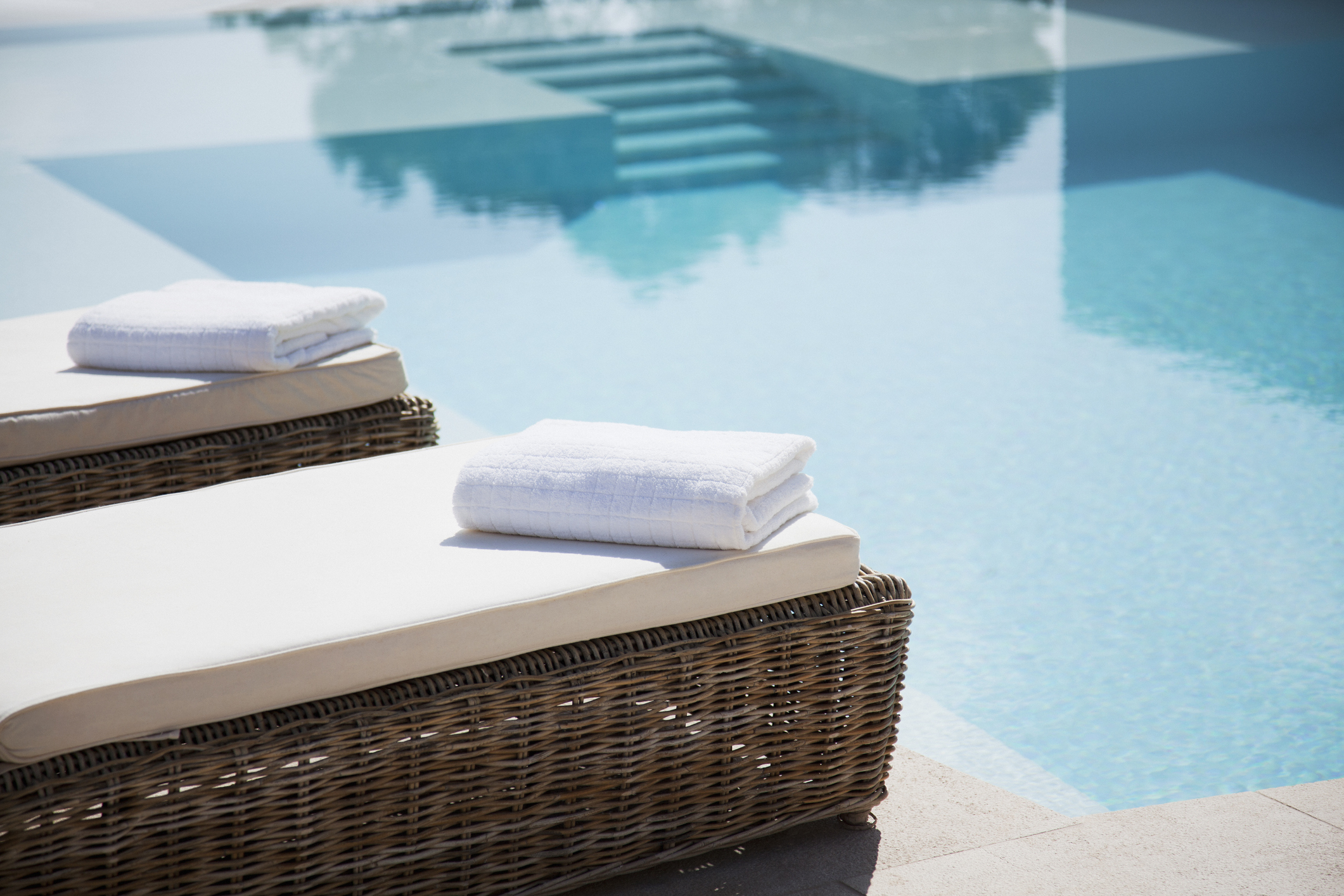
  • Invest in high-performance floor cleaning equipment: In the hospitality industry, your floors are your reputation. Choose TASKI machines that deliver durability and superior results, ensuring shiny, safe, and spotless floors that match the rest of your hotel.
  • Maintain spa, showers, and changing rooms: Guests expect luxury beyond the pool. Clean toilets, showers, and washbasins with powerful yet gentle hygiene products that maintain pristine standards.
  • Add premium touches: Stock high-quality soaps, shampoos, and body lotions to elevate the wellness experience.
  • Prevent slip hazards: Use safe and effective floor cleaners in wet areas, like changing rooms and showers.
  • Laundry care matters: Implement a reclaim-wash process for towels and bathrobes to remove sunscreen stains before they build up. This reduces rewashes, linen waste, and operational costs while improving sustainability. 


Making Pool Hygiene Sustainable Without Sacrificing  

Sustainability is now a compliance mandate. Hotels face rising pressure to reduce water and chemical waste. Smart systems help by:

  • Cutting water loss through backwash recovery and pool covers
  • Reducing plastic waste & chemical waste with compact briquettes
  • Lowering CO₂ emissions via fewer deliveries 

Eco Certifications like Green Key and EU Ecolabel signal that your property meets strict criteria for water management, chemical safety, and overall sustainability. These build trust and enhance your brand image.

*pH standards for pool management may vary by country within the European Region. Users are responsible for verifying and complying with the local pH requirements applicable in their country.


Institutional Cleaning

Diversey – A Solenis Company

Our industry-leading expertise is broken down into collections of products tailored to meet your every need. Our wide range of uniquely integrated cleaning solutions will help save you time, resources and money while delivering real operational efficiencies.